
4 Edible Wild Plants to Forage in Alaska This Spring (+ how to harvest sustainably)
Spring is arriving all across Alaska, and we are itching to stretch our sleepy winter bodies toward the sun and take to Alaska’s wild, beautiful, and bountiful forests, meadows, and coastline to witness the magic of the changing season for ourselves.
Early spring brings fresh new green growth, and a perfect opportunity to forage wild spring greens and edible plants as they emerge from their winter slumber.
Here are 4 easy to spot, delicious to eat edible wild plants to forage in Alaska this spring, with tips on how to identify, harvest, and cook each one.
Before you go: Foraging tips & sustainable harvesting practices
Set yourself up for a successful harvest and an enjoyable time exploring the outdoors with a few quick tips:
- Be bear aware: Bears are starting to wake up for the season too. Bring bear spray in your foraging pack, make noise, and keep aware of your surroundings as you tromp through the forest.
- Gather your gear: Make yourself a foraging kit at the beginning of the season that’s ready to grab anytime you head out the door. Some things you might include: snips or scissors, garden gloves, a pocket knife, a basket, bag, or pillowcase, and your favorite foraging field book! Always be 100% sure you’ve correctly identified a plant species before you consume it.
- Be a good steward: Help wild plant communities continue to thrive by harvesting respectfully. Never take more than you need, and always leave enough behind for the plant to continue growing. Pack out what you pack in, and think of ways to leave a site better than you found it. And if you find yourself with a bountiful harvest, pay it forward by sharing that bounty with elders or folks in your community who may not have access to forage wild plants.
Stinging Nettles: How to Forage & Eat This Alaskan Wild Green
If you’ve encountered nettle before, you’ve likely not forgotten it’s hot lingering sting on your skin. The fine hairs on nettle’s leaves and stems are the stinging culprit, but nettle’s bite can be avoided if you simply wear gloves while harvesting this super nutritious wild green.
You’ll find nettle near sources of fresh water – streams, rivers, lakes – in rich damp or disturbed soils. Nettle looks very similar to mint with toothy leaves branching opposite of each other.
When to harvest: In Alaska, nettles are typically ready from late April through June — harvest before they begin to flower for the most tender, flavorful greens.

Harvest wild nettles carefully to ensure the plant continues to grow and thrive by taking no more than half the height of the plant. Find a spot on the stem just above two leaf nodes to snip. From here the plant will branch as it continues to grow throughout the season. Nettles are best harvested in the spring and early summer, before they begin to flower.
Enjoy your nettles sautéed with garlic and butter, chopped and added to soups, blended into a green smoothie, or my favorite, whipped up with garlic and oil into a delicious spring greens pesto. Steaming, blanching, boiling, drying, or pureeing nettles renders their sting inert, so you can enjoy their earthy green flavor and rich nutrients without fear of a stinging belly. If you prefer to drink your nettles, dry them in a food dehydrator or on cookie sheets in the sun and crumble into a jar to use as a loose leaf tea through the winter.
While delicious to eat, stinging nettle is also a natural anti-inflammatory and astringent, which is why we use it in our Boreal Forest bar soap!
Fireweed Shoots: How to Forage & Cook Fireweed in Alaska
From root to flower, all parts of the fireweed plant can be used as a food source.
When to harvest: Look for fireweed shoots in May, just as they're emerging from the soil. Once the plant reaches knee height or higher, the shoots become too fibrous to enjoy. Early shoots can be harvested and eaten in the spring – sautéed in butter and garlic with a texture similar to asparagus.
Pinch off fresh shoots just emerging from the soil - but be sure to leave some plant material behind, and always leave several plants untouched within a patch of fireweed to ensure the community continues to thrive!
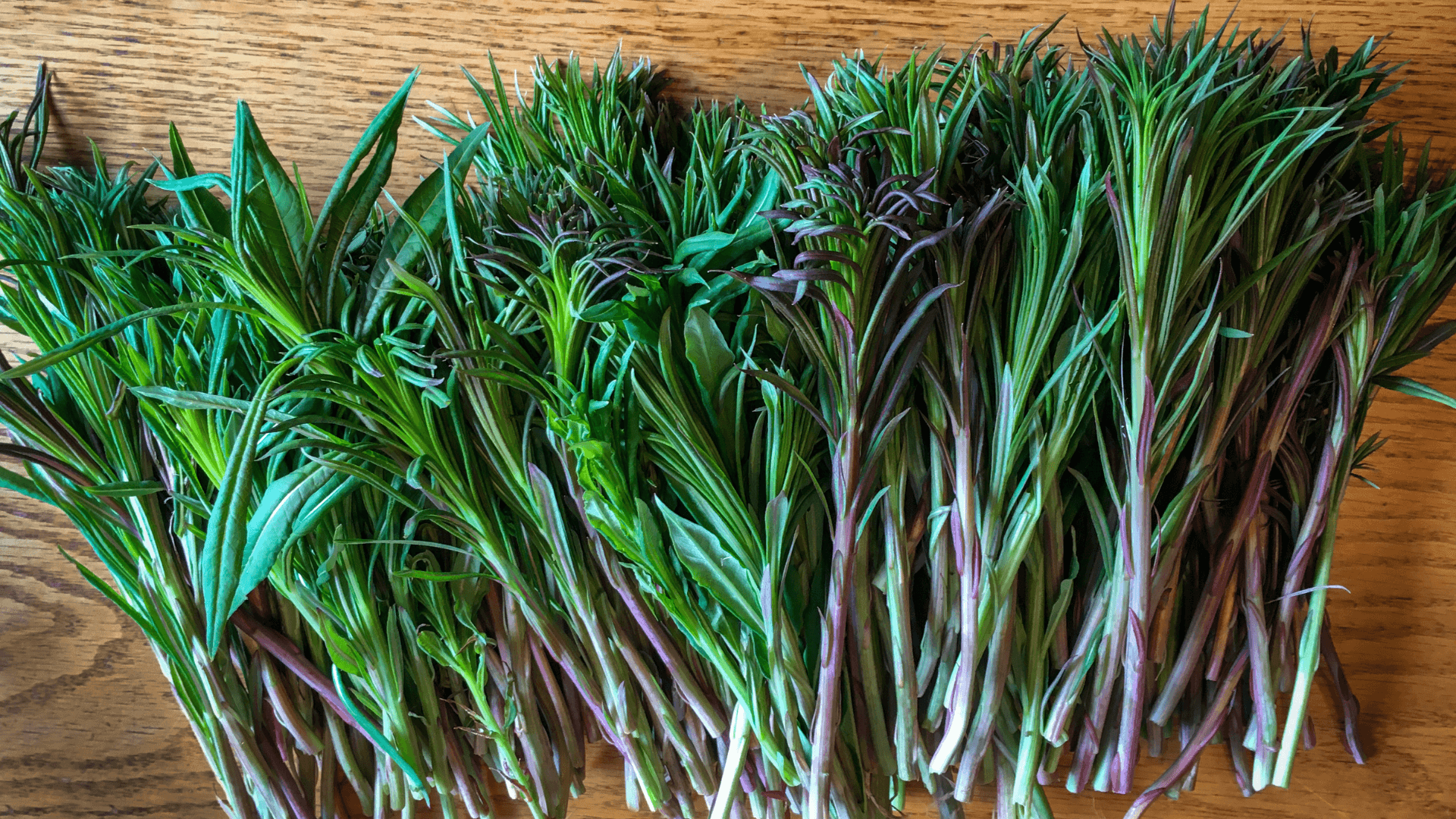
Look for fireweed around meadows or open areas where the soil had been previously disturbed. As its name would imply, fireweed takes hold and thrives among disturbed and often inhospitable soils. Its seeds and roots are among the first plant life to re-colonize burnt tracts of land after wildfires, as well as roadsides, gravel bars, meadows, and river banks.
Avoid harvesting edible shoots alongside roadways or high traffic areas where the plant could be contaminated by pollution, pesticides, or herbicides.
When fireweed leaves mature, we harvest them to use in our wildflower facial oil for a big boost of vitamin c and anti-inflammatories.
Popweed (Bladderwrack Seaweed): How to Forage Edible Seaweed in Alaska
Coastal Alaskans will recognize the delightful crunch and pop of bladderwrack seaweed - or popweed - from spring and summer walks on the beach!
When to harvest: Spring is the best time to harvest popweed — look for the bright yellow-green new growth appearing in the mid-tidal zone from April onward.
Look for the fresh, brighter yellow new growth of spring popweed attached to rocky substrate in the mid-tidal zone. This early growth stage of the seaweed is tender, succulent, and tasty when sauteed up and added to stir fried vegetables. You could also dry the seaweed and grind it up to use as a savory umami-rich flavoring.
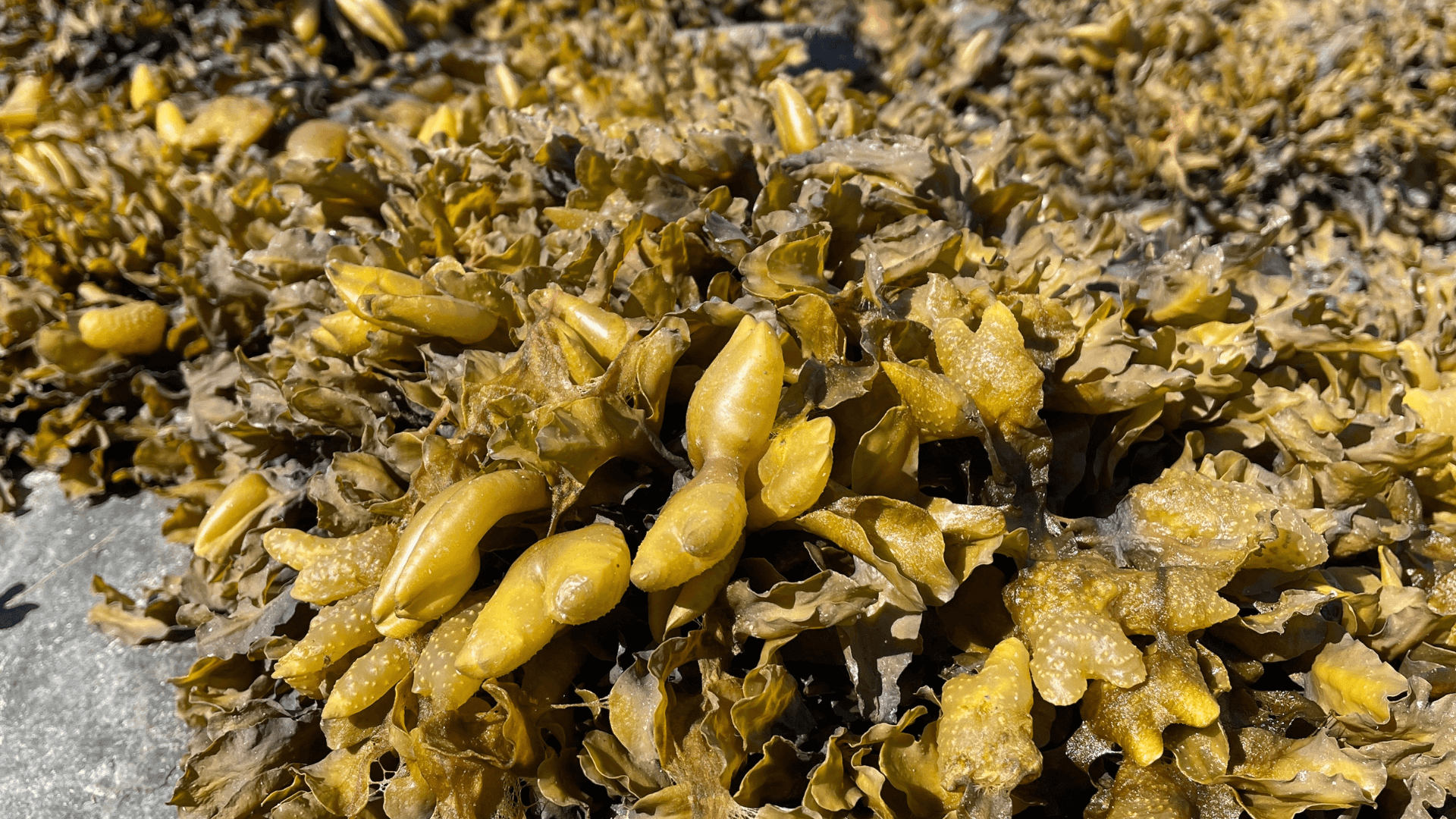
Harvest spring popweed by snipping bunches of it off above the seaweed’s holdfast - that “root” which attaches the seaweed to a rock. Be sure to leave enough plant material behind for the seaweed to continue growing.
Fiddlehead Ferns: How to Identify, Harvest & Cook Them in Alaska
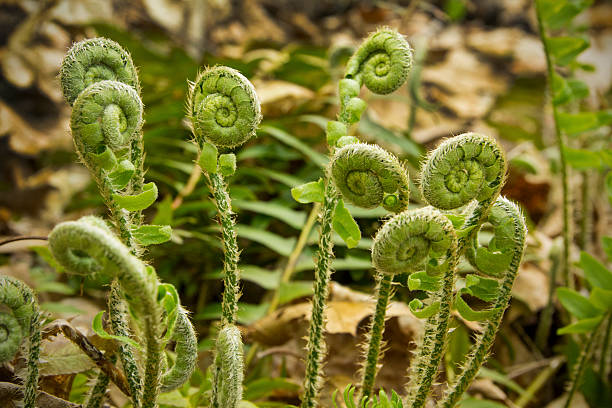
If you've ever walked through a damp southeast Alaska forest in early spring and spotted tightly coiled spirals of bright green emerging from the forest floor, you've already met the fiddlehead fern. These charming little curls — named for their resemblance to the scroll of a fiddle — are one of the most sought-after edible wild plants in Alaska, and for good reason. They're tender, delicious, and one of the most exciting signs that the season has truly arrived.
When to harvest: In southcentral and southeast Alaska, fiddleheads typically emerge from late April through mid-May depending on elevation. The window is short — once they begin to unfurl, they're past their prime.
How to identify fiddlehead ferns in Alaska
In Alaska, the fiddleheads you're most likely to encounter are the young fronds of the lady fern (Athyrium filix-femina) and the ostrich fern (Matteuccia struthiopteris). Look for tightly coiled fronds no taller than six inches, with a papery brown or tan husk covering the coil. You'll find them growing in clusters in moist, shaded forest areas — near streams, rivers, and wetlands are your best bets. Harvest only when the frond is still fully coiled and firm; once it begins to unfurl, it's past its prime for eating.
A word of caution: not all ferns are edible, so be confident in your identification before harvesting. When in doubt, bring along a good field guide or an experienced forager who can help you learn the difference.
How to harvest fiddleheads sustainably
Never take more than two or three fiddleheads from a single plant — taking too many can weaken or kill it. Leave the smaller coils behind to continue growing, and move through your patch gently to avoid trampling the surrounding growth. If you find a particularly abundant spot, resist the urge to take everything; leave plenty for the plant, for wildlife, and for the forager who comes along after you.
How to cook fiddlehead ferns
Here's the most important thing to know about cooking fiddleheads: do not eat them raw. Raw fiddleheads can cause digestive upset, so always cook them first. Before cooking, rinse your fiddleheads well and rub off any remaining papery husks. Then boil or blanch them for 10–15 minutes, or steam them until tender. From there, the world is your oyster — sauté them in butter with garlic and a squeeze of lemon, toss them into a stir fry with spring nettles, or serve them simply as a side dish. Their flavor is earthy and bright, a little like asparagus with a wild green edge, and they pair beautifully with the kinds of rich, savory flavors that feel so restorative after a long Alaskan winter.
Get Outside
Spring foraging offers us the opportunity to connect with nature on a deep - and delicious - level. Wild spring edibles are nutrient-rich and can help to restore our bodies after the long, dark, and cold winter months. Grab your gear and take a walk through your wild backyard to see which wild edibles are popping up around your neighborhood. Happy foraging!
If you're inspired for more after mastering these plants, check out these field guides for so much more!!
Frequently Asked Questions About Foraging in Alaska
What wild plants can I forage in Alaska in spring?
Some of the best edible wild plants to forage in Alaska during spring include stinging nettles, fireweed shoots, bladderwrack seaweed (popweed), and fiddlehead ferns. Each one has a short seasonal window, so timing your harvest is key.
Are fiddlehead ferns safe to eat?
Yes, but only when cooked. Raw fiddleheads can cause digestive upset, so always boil or blanch them for at least 10 minutes before eating. Make sure you've correctly identified them as ostrich fern or lady fern before harvesting, as not all ferns are edible.
Where can I find fiddlehead ferns in Alaska?
Fiddlehead ferns grow throughout much of Alaska, particularly in moist, shaded areas near streams, rivers, and wetlands. In southcentral Alaska, look in wooded areas along creek beds. In southeast Alaska, they're abundant in the coastal rainforest understory.
Can you eat stinging nettles?
Stinging nettles are one of the most nutritious wild greens you can forage. Wearing gloves while harvesting protects you from the sting, and cooking (steaming, blanching, sautéing, or pureeing) neutralizes it completely.
When is the best time to go foraging in Alaska?
Late April through June is prime foraging season across much of Alaska, though timing varies by region and elevation. Southeast Alaska and the Kenai Peninsula tend to see earlier growth than interior or higher-elevation areas.


